A mirror for the unseen, a ceremonial art of witnessing the soul.
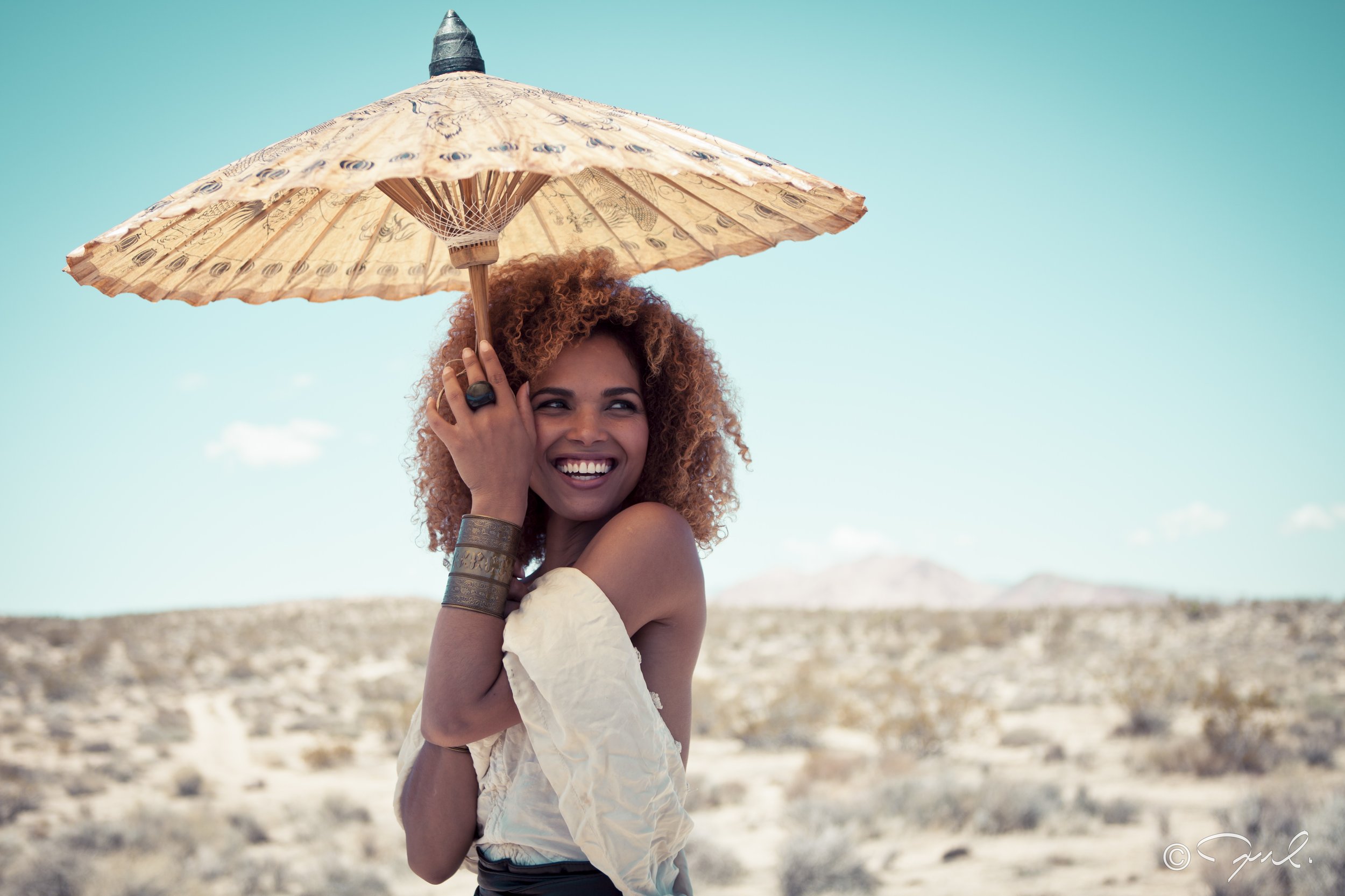
Transpersonal Photography is a contemplative and ceremonial process that invites the participant to be seen rather than photographed. Rooted in the principles of transpersonal psychology, as defined by John Davis, transpersonal refers to “beyond the personal”. The root of the word “personal” comes from persona, referring to the masks worn by Ancient Greek actors; hence, “transpersonal” means “beyond the mask.”
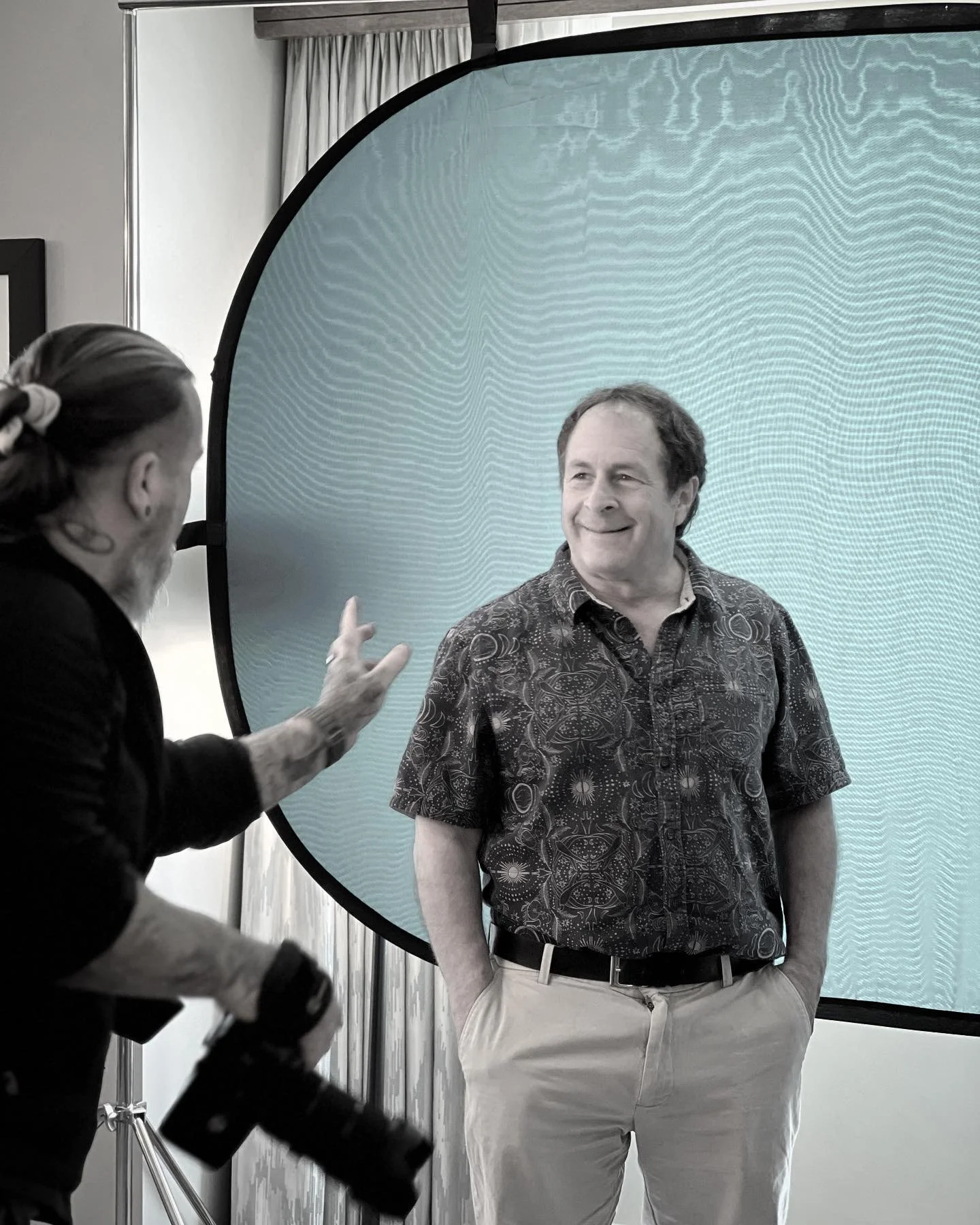
In the pre-ceremonial phase, Transpersonal Photography acts as a threshold ritual, helping participants articulate intention and embody presence before entering expanded states of consciousness. The camera becomes a compassionate witness, reflecting the archetypal dimensions of self that are preparing for initiation.
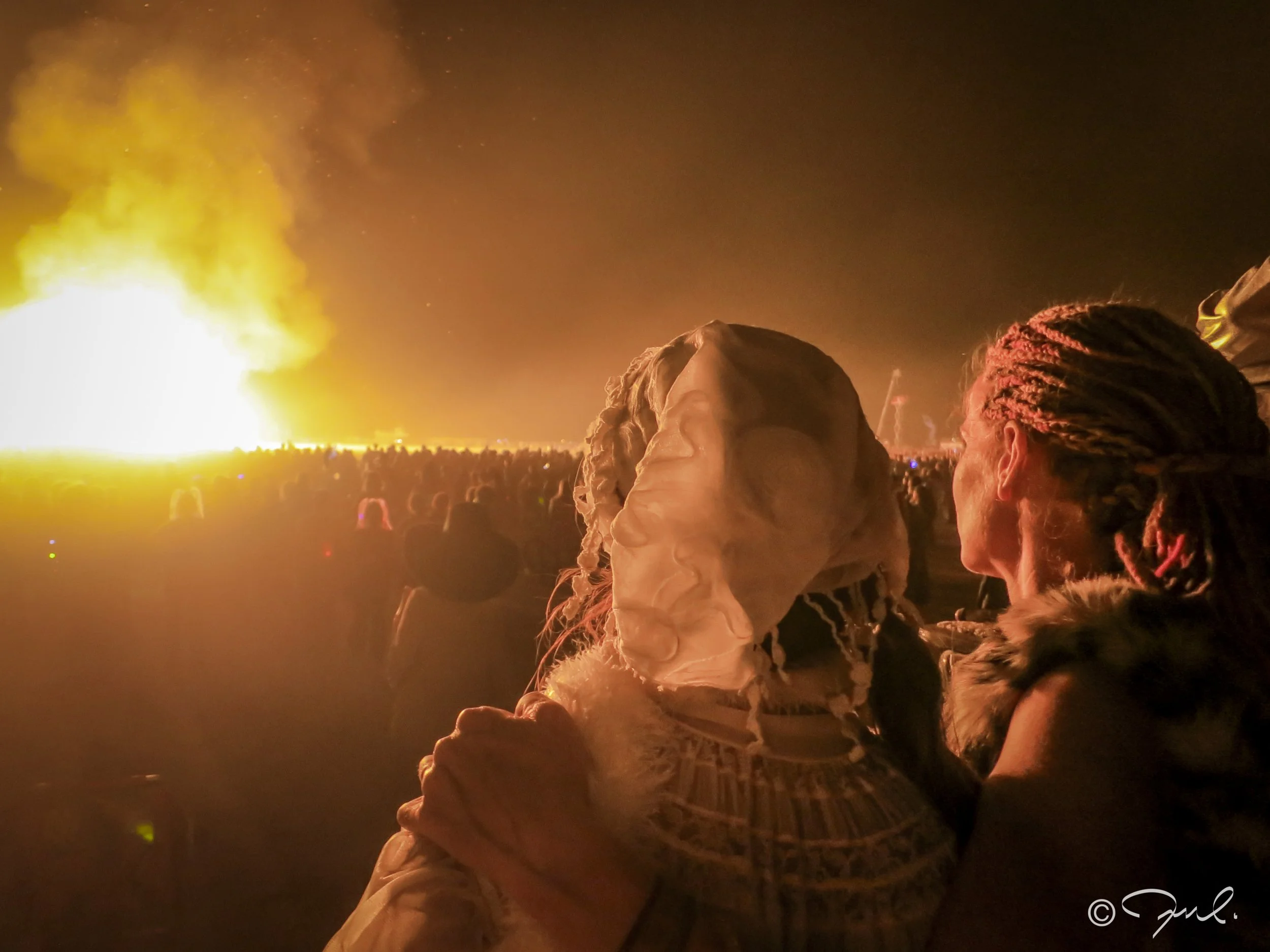
In the post-ceremonial phase, it becomes an integrative practice, a way to give form to the ineffable, translating mystical or unitive experiences into embodied imagery. Through light, shadow, and gaze, the session captures the subtle residue of transformation, helping participants see what words cannot hold.
Each portrait is co-created through presence, breath, and symbolism, a relational field among the photographer, the participant, and the more-than-human world. The resulting image is not an artifact but a mirror of becoming, an image that remembers the soul’s wholeness beyond the veil of identity.
Transpersonal Photography
THE STORY OF A CREATOR & SCHOLAR
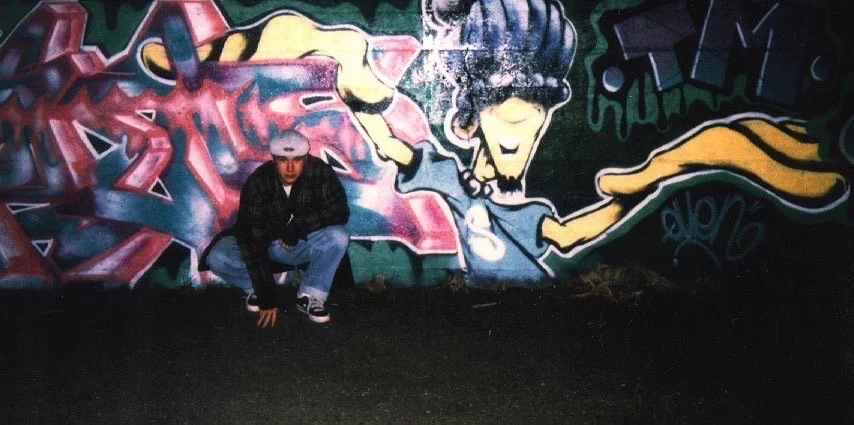
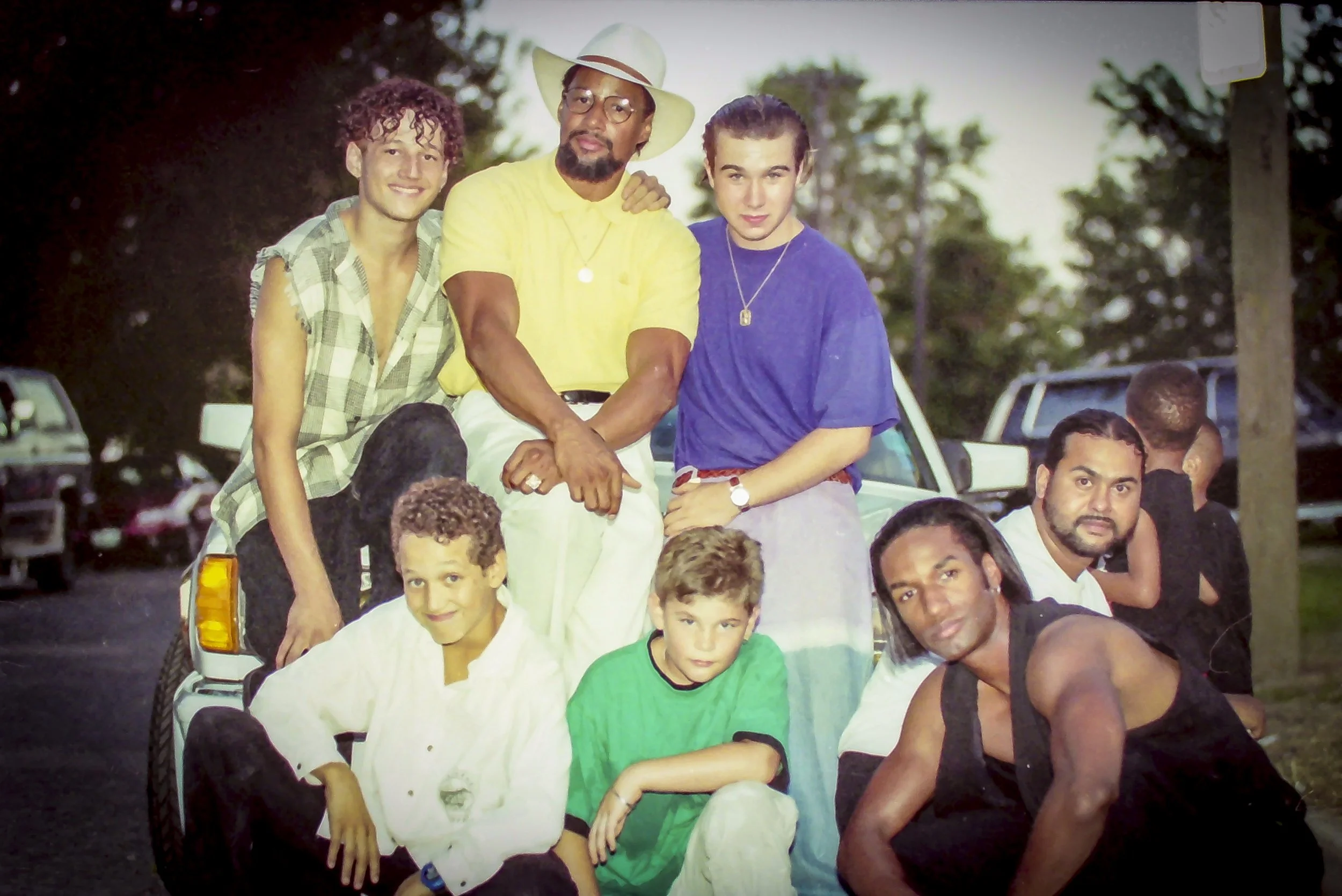
Azul's work captures the duality of the human race: saint and deviant, using sexuality, culture, and street influence. His work reflects a blend of traditional and conservative values with modern identities, with an emphasis on individual stories.
Azul's artistic journey began as a teen with graffiti and tagging in the barrios (mean streets) of Denver and New York City. These early days in the streets taught and inspired him, but left him questioning cultural roots and their influence on the individual, society, and the impact they would have on his art. He packed his bags and set out on a long journey to explore the origins of his story. He first found his way to Guadalajara, Mexico, where he studied with well-known Mexican painter Alberto Ortiz in Jocotepec, Jalisco. Alberto taught Azul the value of observing Mexico's indigenous roots while allowing the art to invite the community to participate in the process of creation. It was also influenced by local Denver mentors, poets, and icons such as Ramon DelCastillo, Carlos Fresquez, Lorenzo Ramirez, Corky Gonzalez, and others who further inspired Azul to embrace this approach. These experiences enabled him to develop artwork inspired by introspection.
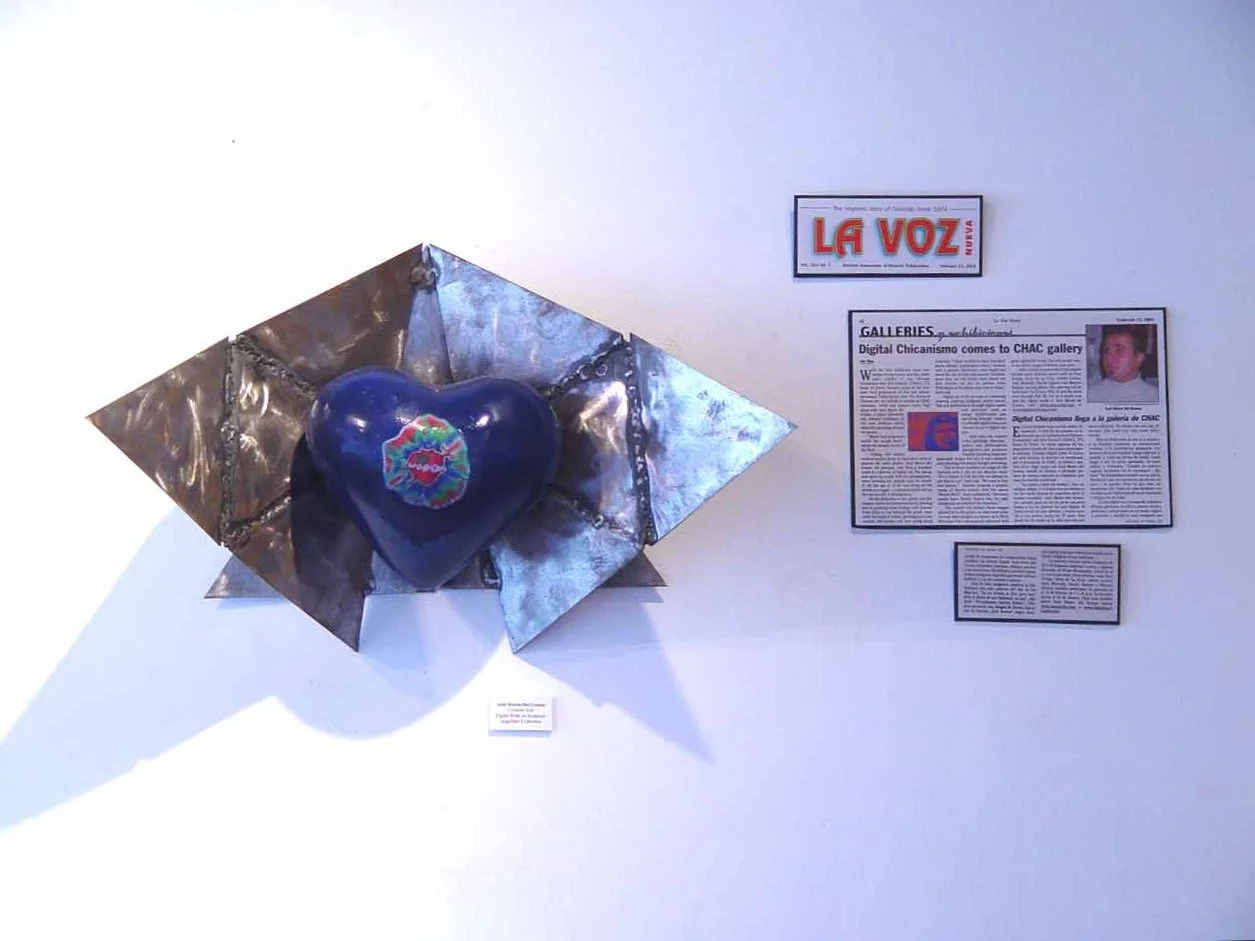
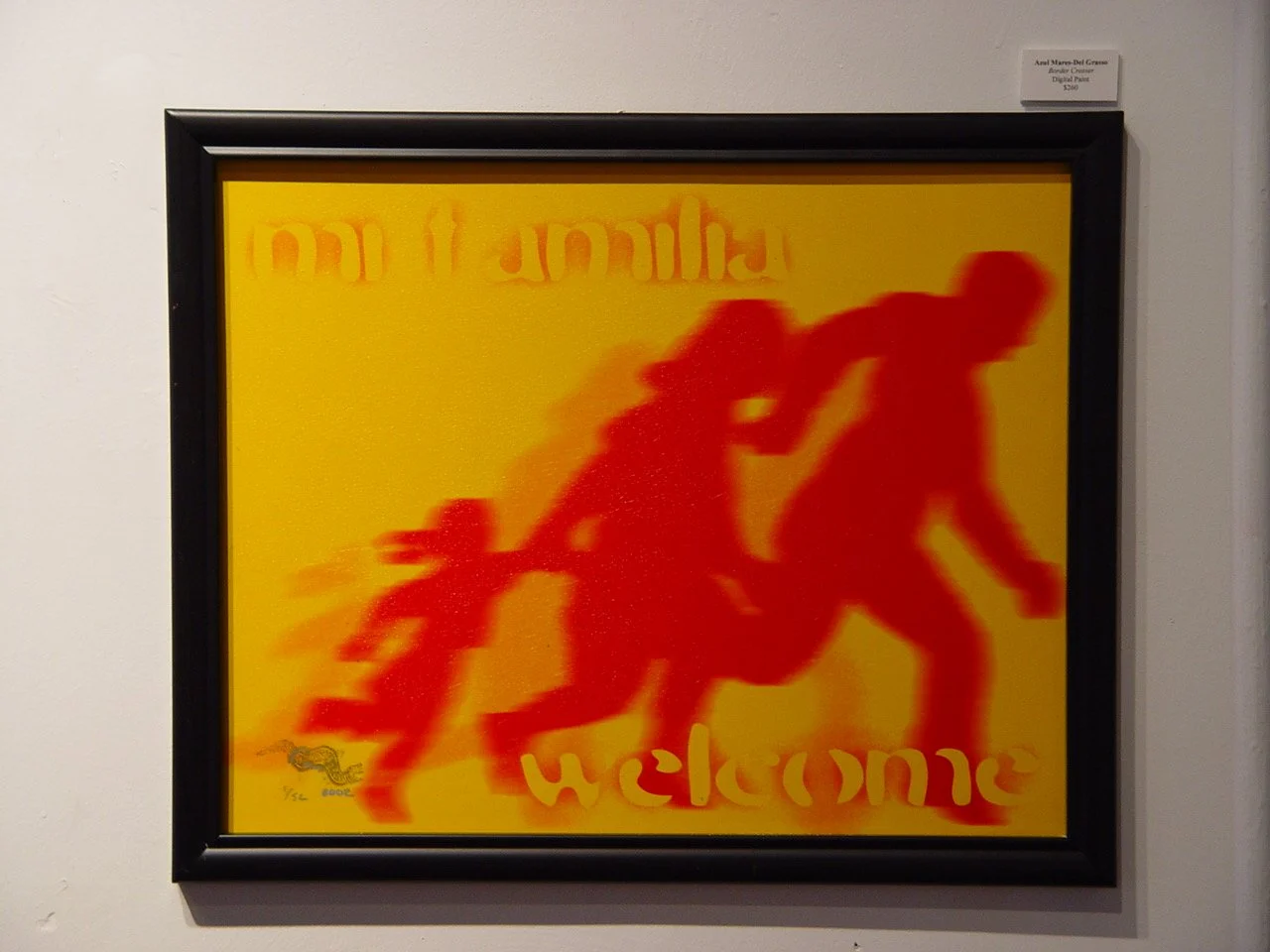
This intimate journey of self-expression continued with experimentation in digital art and the creation of what he coined Chicano Digitalism. This was a pure expression of artistic emotion, created and transformed by modern technology, utilizing drawing, photography, film, music, three-dimensional imagery, sculpture, web design, poetry, and performance art, primarily addressing Mexican Americans. Through this medium, Azul sought to better capture icons such as Che Guevara, Frida Kahlo, Pancho Villa, and Emiliano Zapata in a new light, while simultaneously allowing greater freedom to identify new heroes and revolutionaries.

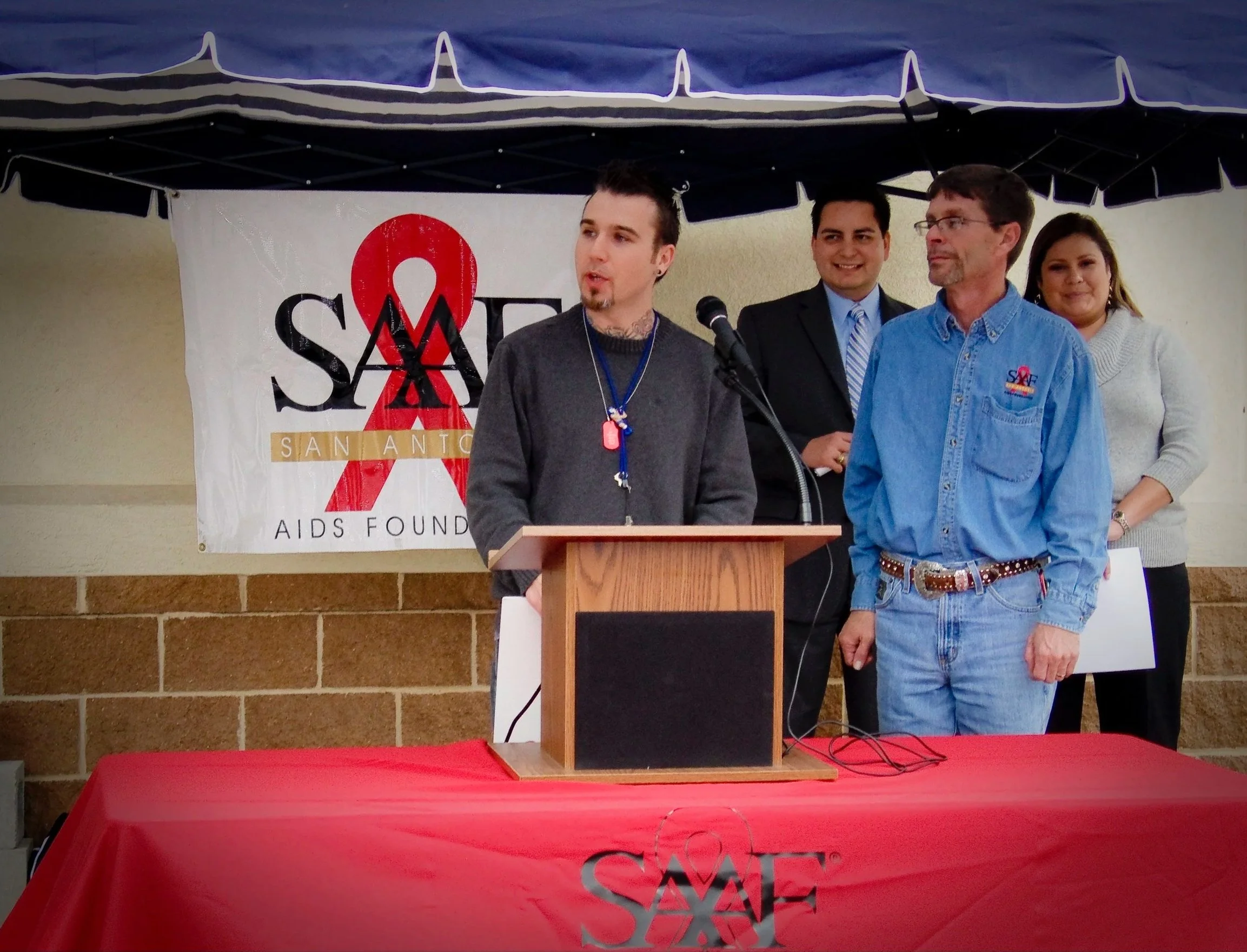
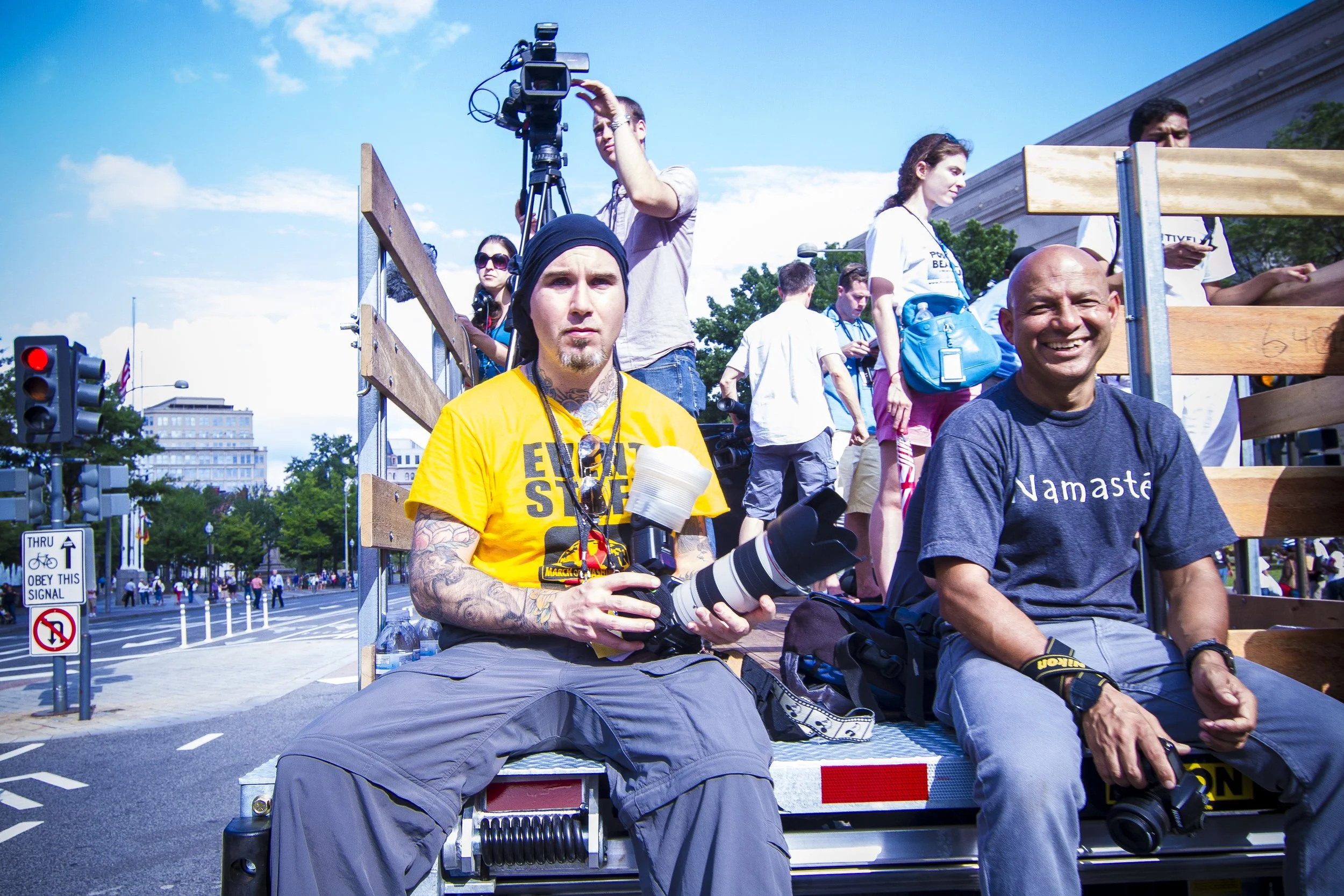
Once again, in 2010, something unexpected happened for Azul. After having worked in HIV prevention for the previous fifteen years, he was allowed to coordinate and plan a continental forty-eight-state tour, conducting free HIV screenings at over fifty-seven locations. A week before he left, Azul decided to pick up a camera and document in forty-eight states people living with HIV/AIDS. Over the next 236 days, he documented people who worked in the realm of HIV/AIDS, but also those living and dealing with the disease daily. As cliché it is to say, "the camera found me, I didn't find the camera," this is indeed the case in the artwork of Azul today.
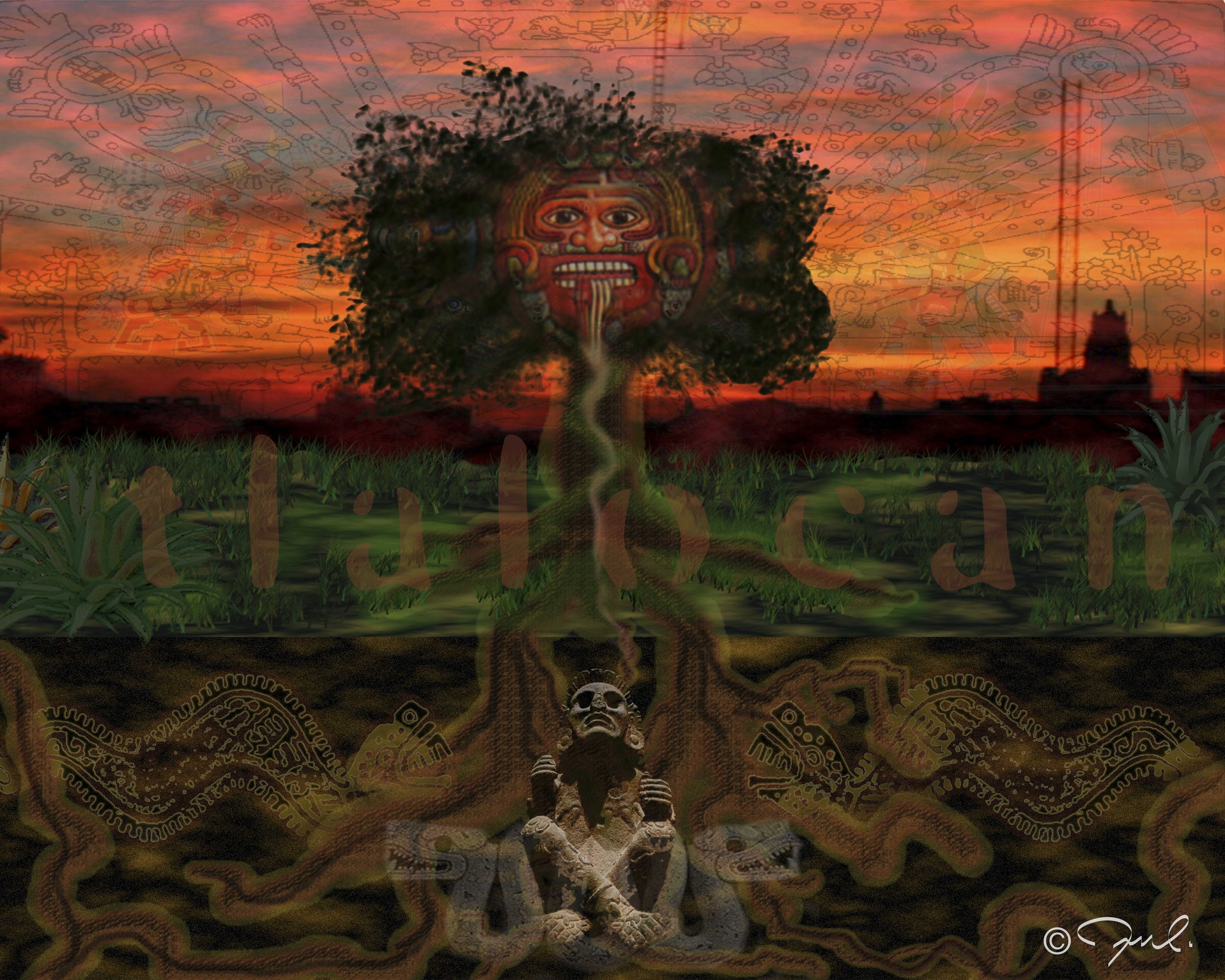
However, it was in 2006 that Azul tried something completely new. Realizing that digital art was "the" art for the masses, it, however, took away from the uniqueness of the artist who was creating it. Taking a dramatic turn in mediums, he co-founded L.A. Burlesque, which, over the next four years, would document striptease performers in Los Angeles through photography, talent management, and show production. Although his focus was on the production side of the business and he never picked up a camera, Azul had no idea how being around so many photographers would influence the next stage of his life…
Experiences like Azul's have allowed the artwork to speak about the innovation of creative mediums. A process of generating meaning through visual interpretations of history, politics, and social justice, while pushing the envelope. Color creates emotion, the emotion takes shape, and the art takes life. This is the result of being surrounded by poets, activists, painters, street artists, and photographers all one's life.
Azul’s photography now serves as a contemplative and ceremonial practice. Each image becomes a mirror for consciousness, a way of seeing “beyond the veil.”
What began as a means of storytelling has become a sacred technology of reflection. Pre-ceremony, his photographic sessions invite participants to set intention and enter presence; post-ceremony, they serve as a tool for integration, grounding unitive experiences into form.
Through this evolving body of work, Azul unites the artist, the scholar, and the ceremonialist, using light as a language of consciousness. The result is not just an image, but a visual invocation, a record of the soul’s passage through transformation.
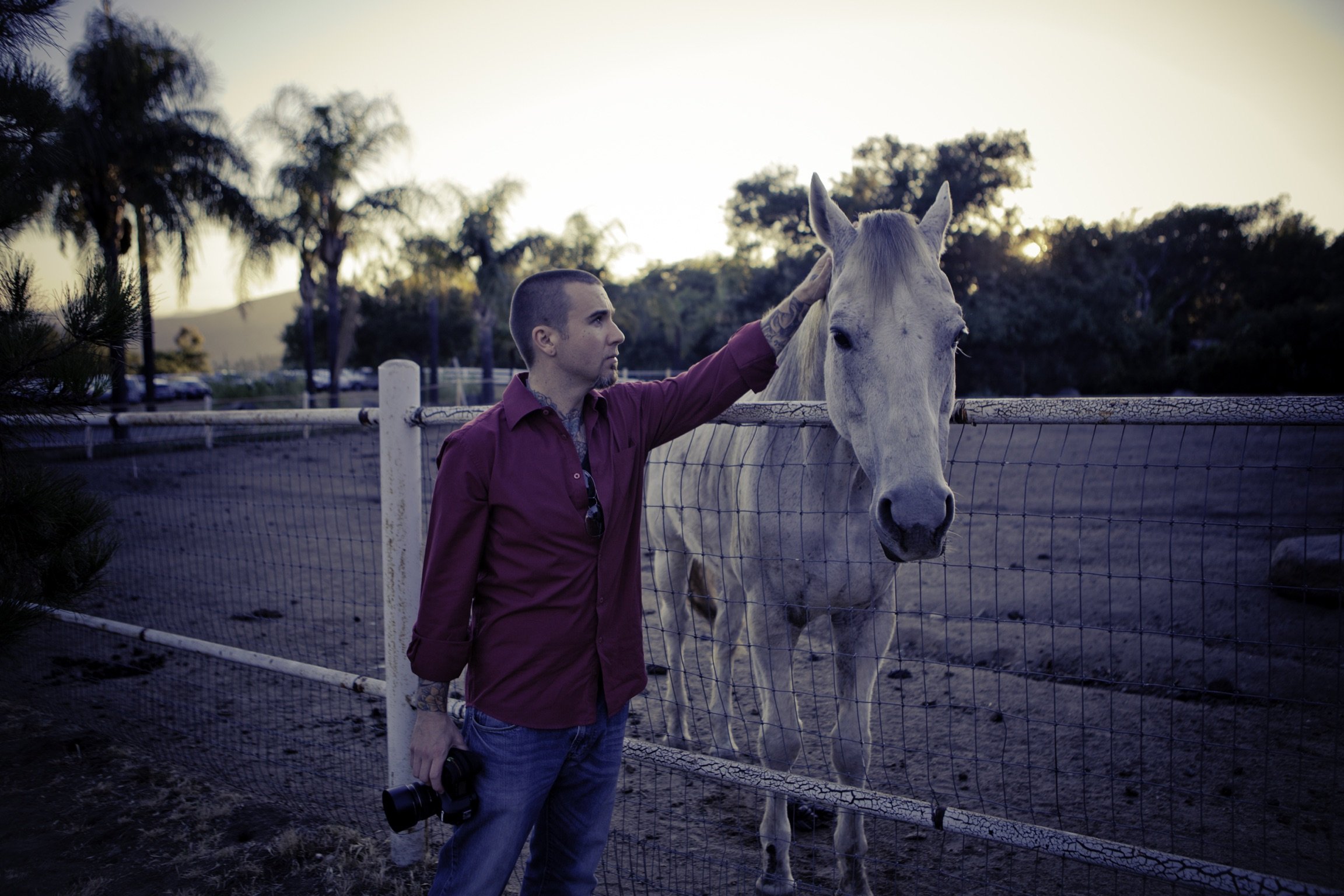
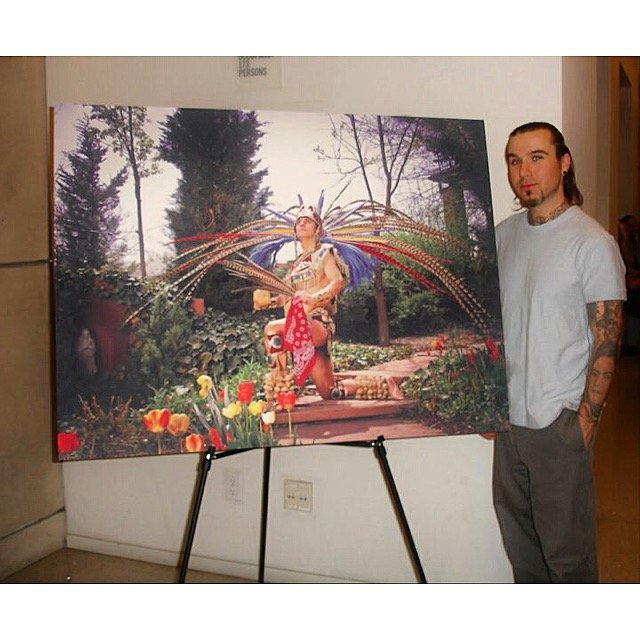

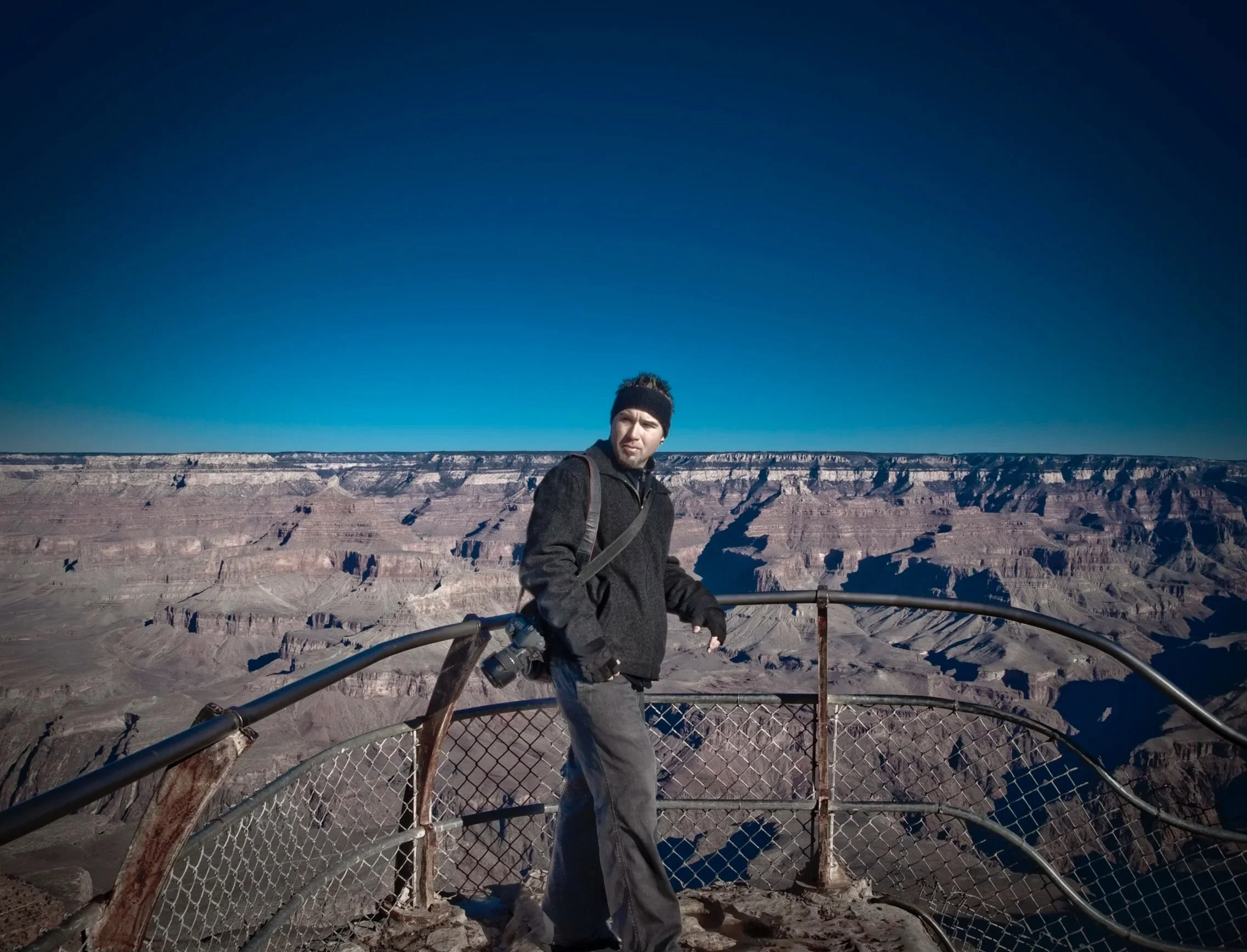

“MY MISSION IS TO USE THE ART OF PHOTOGRAPHY AND TRANSPERSONAL ECOPSYCHOLOGY TO AWAKEN THE BELOVED WITHIN AND RECONNECTING THE SELF TO SELF & GAIA.”
AZUL